Here Class 7 Odia Sahitya Suman Chapter 2 Question Answer (“ମାଡ଼ହାଣ୍ଡି କଥା” / mada handi katha). These Question Answer, updated for 2026-27, Which help you score higher in your Class 7 MIL Odia exams.
Odisha Board Class 7 Sahitya Suman Chapter 2 Mada handi katha Question Answer – ODIA
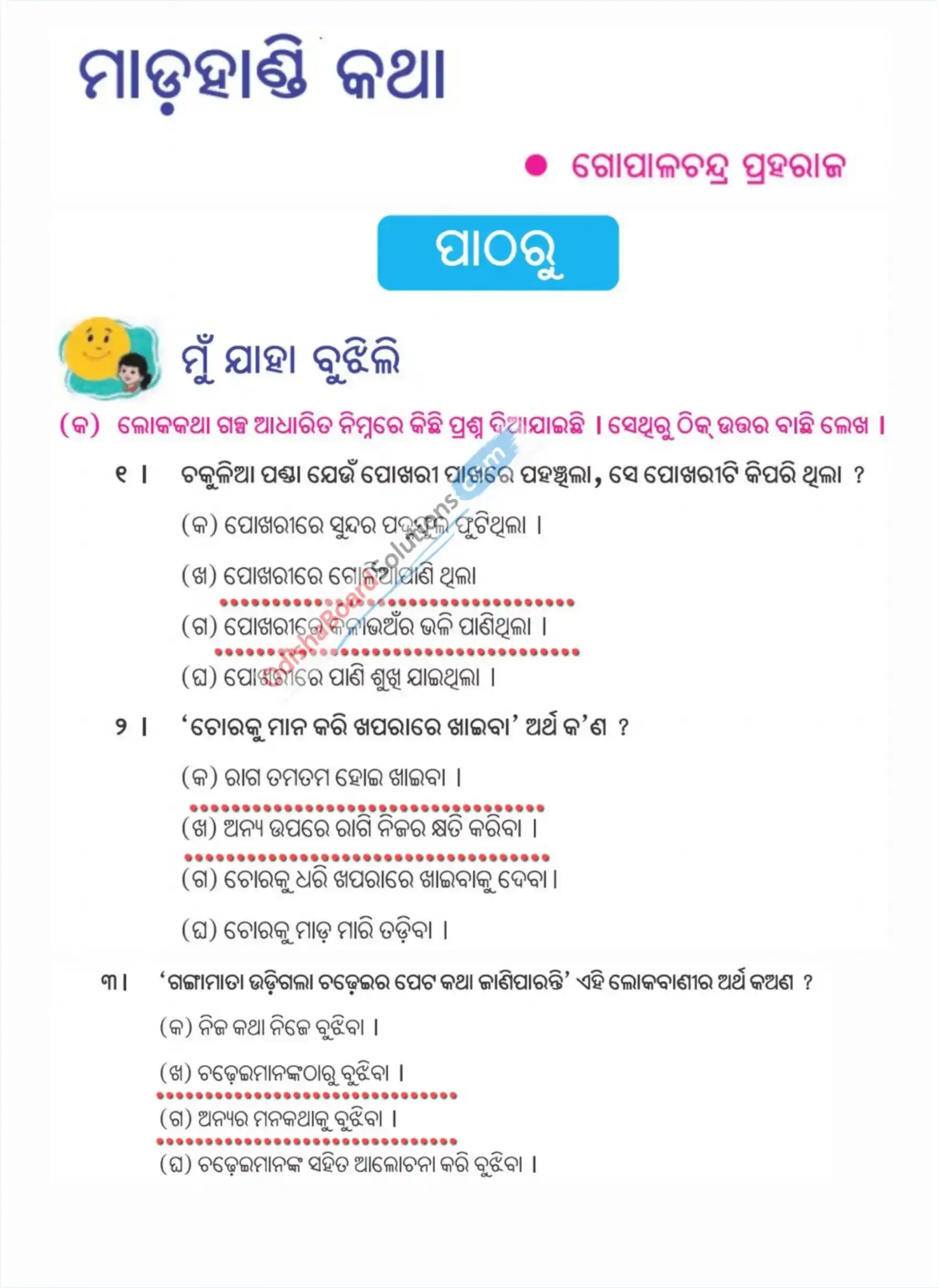
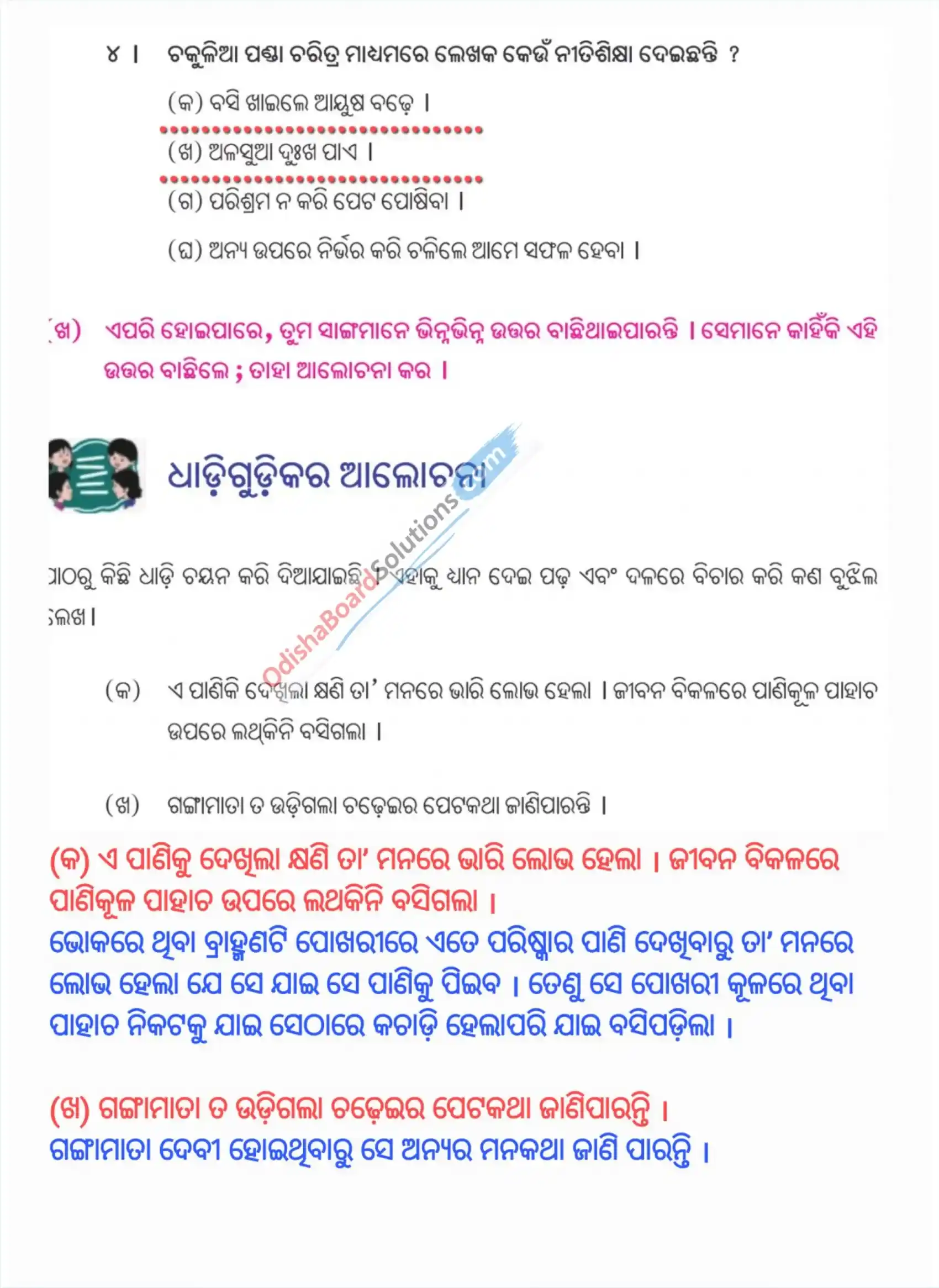
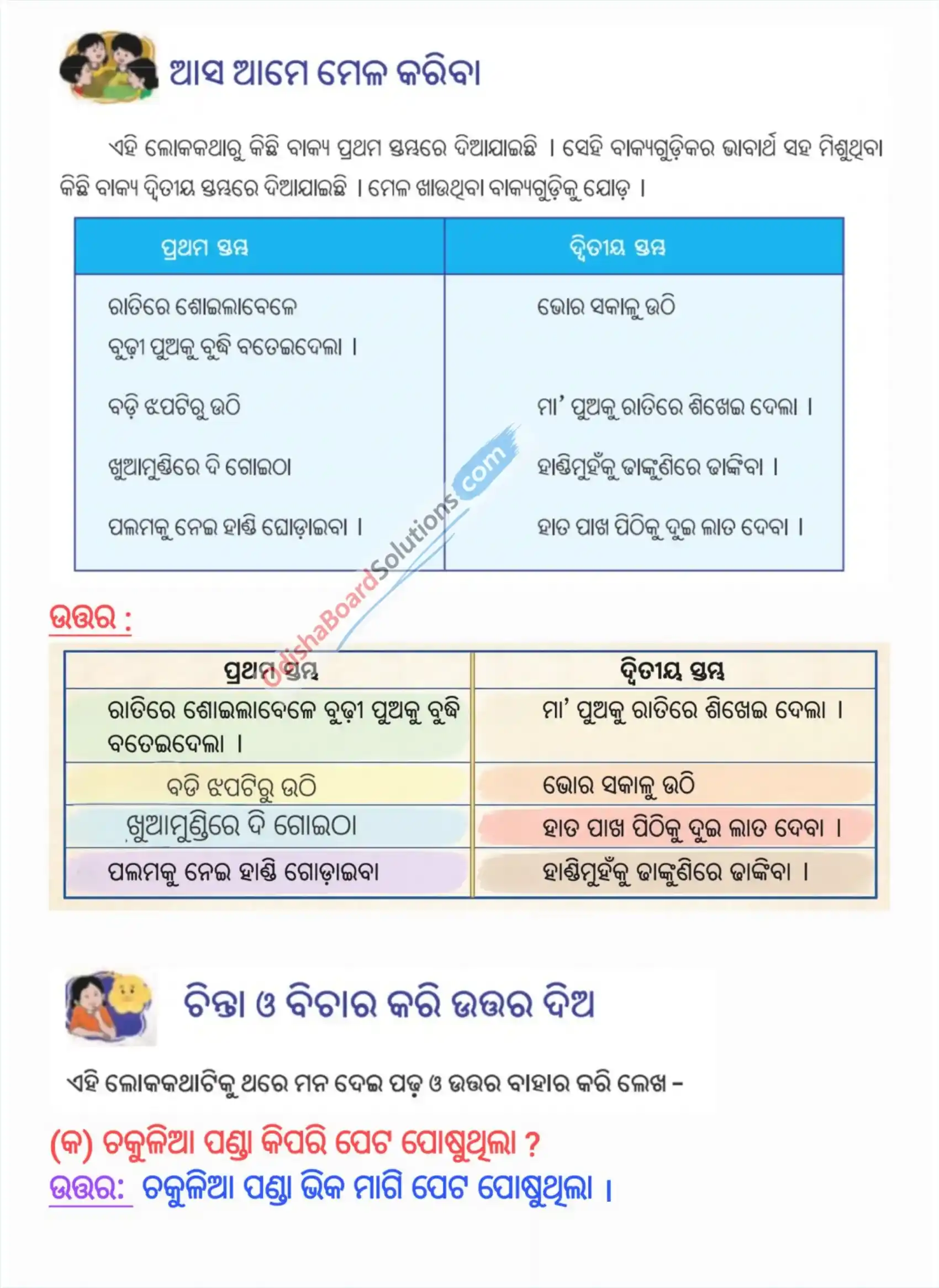
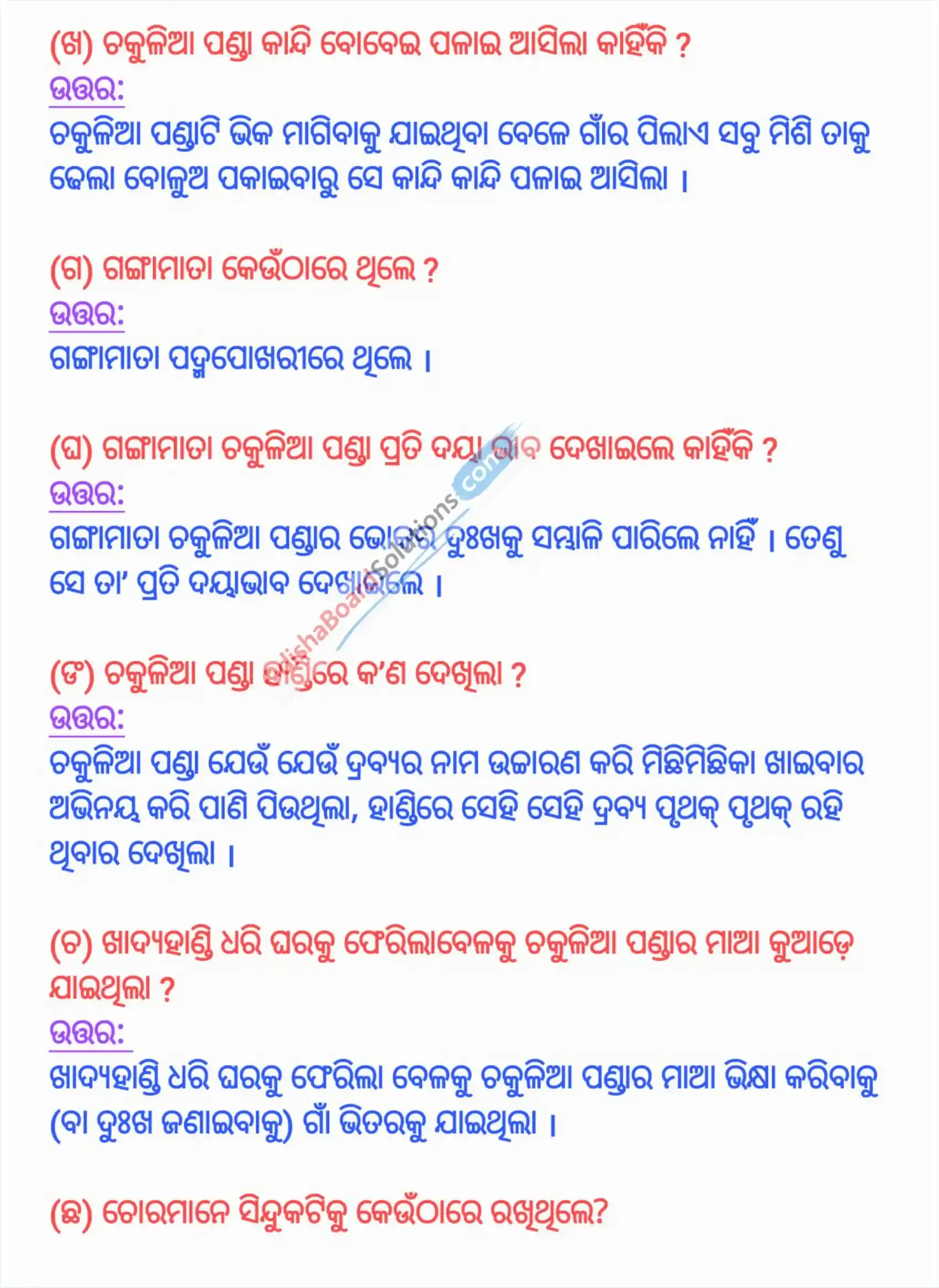
Mada handi katha Question Answer
Short Answer Questions
Q: Who collected and compiled this traditional folktale, and what is his primary identity?
A: The story was collected by Gopal Chandra Praharaj, a renowned linguist and distinguished creator of Odia literature.
Q: What is widely considered to be Gopal Chandra Praharaj’s greatest literary achievement?
A: His greatest and most monumental work is the massive multi-volume Odia lexicon called the ‘Purnachandra Odia Bhashakosha’.
Q: From which specific book of the author is the chapter “Madahandi Katha” taken?
A: It is taken from his famous anthology of rural folklore titled ‘Utkala Kahani’.
Q: What occupation did the poor Panda (Chakulia Panda) practice to feed his family?
A: He practiced begging (Bhikshya Brutti), going from door to door in his village.
Q: What did the greedy neighbor do when he saw the magic properties of the first pot?
A: His eyes widened with greed, and he secretly stole the magic food-producing pot from the poor Panda.
Mada handi katha Medium Question Answer
Q: How did the poor Panda obtain the first miraculous pot, and what was its special quality?
A: Overwhelmed by absolute starvation and a lack of food, the Panda went into the forest and prayed intensely to God. Pleased by his devotion, God granted him a magic pot that instantly produced delicious food and traditional sweets whenever asked.
Q: How did the function of the second pot (the ‘Madahandi’) differ from the first one?
A: The first pot was a blessing that provided endless food. The second pot, the ‘Madahandi’ (Beating Pot), did not produce food at all; instead, magic sticks emerged from within it to relentlessly beat wicked individuals upon command.
Q: How did the poor Panda recover his stolen property from the thief?
A: The Panda carried the Madahandi straight to the thief’s house and commanded it to act. Magic sticks instantly emerged from the pot and gave the thief a brutal beating. Unable to bear the pain, the thief realized his mistake and returned the original food-producing pot.
Mada handi katha Long Question Answer
Q: Analyze the moral lessons and educational value embedded in the folktale “Madahandi Katha”.
A: The story serves as a clear allegorical lesson on human nature, greed, and poetic justice. It teaches two core moral lessons:
- The Consequence of Greed: It demonstrates that greed and the act of stealing someone else’s hard-earned or divinely gifted fortune (Lobha) always yield disastrous consequences.
- The Necessity of Force Against Evil: While the Panda was initially peaceful, his passivity was taken advantage of by his neighbor. The second pot symbolizes that malicious elements in society often do not change through moral reasoning alone; they require a firm, correcting force (symbolized by the beating sticks) to face accountability. Ultimately, the story reassures readers that honesty triumphs over deceit.
Class 7 Odia Mada handi katha Short Question Answer
Q: Where was Gopal Chandra Praharaj born, and when?
A: He was born on November 26, 1872, in Siddheshwarpur village of Cuttack district.
Q: What honorary title is given to Praharaj’s compiled work ‘Purnachandra Bhashakosha’ in Odia literature?
A: It is called the ‘Kala Konarka of the Odia Language’ (ଓଡ଼ିଆ ଭାଷାର କଳାକୋଣାର୍କ).
Q: In the first version of the text, who stole the Panda’s magic pot, and how did he do it?
A: A greedy, wicked neighbor noticed the magic food pot and secretly stole it at night while the Panda’s family was fast asleep.
Q: In the second version of the text, where did the humiliated Panda go instead of his home, and what did he find there?
A: Out of shame, he did not go home and instead walked to the edge of a beautiful lotus pond (ପଦ୍ମ ପୋଖରୀ).
Q: According to the second version, who actually resided in the pond and sent the magic pot to the Panda?
A: Goddess Ganga Mata (ଗଙ୍ଗାମାତା) resided in the pond and sent the pot to him.
Vocabulary & Linguistic Questions
Q: Match the following traditional Odia idiomatic expressions and vocabulary words with their correct contextual meanings based on the text:
| Sl No. | Odia Term | Textual Meaning (English) |
| 1 | Chakulia Panda (ଚକୁଳିଆ ପଣ୍ଡା) | A traditional person who begs for alms while singing songs. |
| 2 | Nikhatu / Karmakodia (ନିଖଟୁ / କର୍ମକୋଢ଼ିଆ) | Lazy / An individual who is entirely unwilling to work. |
| 3 | Kaku-ti-minati (କାକୁତିମିନତି) | Desperately begging for mercy or pleading. |
| 4 | Udigala Chadeira Petakatha Janiba | A proverb meaning “to possess the power to read another person’s inner thoughts instantly.” |
| 5 | Cheta Pasiba (ଚେତା ପଶିବା) | To regain senses, come to reality, or realize one’s deep mistake. |
Q: What do the terms “Tekabolua” and “Jaunli” mean in the context of the text?
A:
- Tekabolua (ଟେକାବୋଲୁଅ): Being pelted with stones or rocks by aggressive village children.
- Jaunli (ଯାଉଁଳି): A traditional cloth wrap or cloth bag slung across the shoulders to collect alms.
Class 7 Mada handi katha Medium Answer Questions
Q: How did the Chakulia Panda mentally trick his own hunger while sitting on the steps of the pond?
A: Sitting helplessly on the steps, the starving Panda saw the crystal-clear water. To console his mind (ବାଆଁରେଇବା), he drank a handful of water and used his imagination to pretend he was feasting on a luxury menu of rice, dal, kakara pitha, and kheer.
Q: Why did Ganga Mata decide to switch the contents of the magic pot from delicious food to physical beatings?
A: Ganga Mata noticed that receiving free food daily made the mother and son completely lazy (ନିଖଟୁ). Realizing that free provisions would eventually turn the entire society into unproductive, work-shy dependents (କର୍ମକୋଢ଼ିଆ), she decided to teach them a harsh lesson about accountability.
Q: What happened when the thieves broke into the house and opened the hidden pot at night?
A: Thinking the heavily sealed pot was a chest of valuable treasure (ସିନ୍ଦୁକ), the thieves broke into the house and opened it. Instead of jewelry, the pot erupted with magic slaps, punches, and kicks, punishing the thieves and forcing them to drop their stolen loot as they fled.
Mada handi katha Class 7 Odia Long Answer Questions
Q: Contrast the ending of the two narrative versions provided in the text. How do their moral highlights differ?
A: While both versions highlight the flaws of human nature, they resolve differently:
- Version 1 (The Neighbor Plot): This version focuses on social justice and overcoming exploitation. The Panda uses the Madahandi defensively to overpower a corrupt thief, leading to a comfortable life after reclaiming his stolen rights.
- Version 2 (The Ganga Mata Plot): This version focuses on the value of hard labor (ଶ୍ରମର ମୂଲ୍ୟ). Ganga Mata uses the beating pot as a moral corrective tool. Even though the family ends up wealthy by inheriting the fleeing thieves’ abandoned loot, the psychological fear of the beating pot (ମାଡ଼ର ଭୟ) permanently reforms them, prompting them to wake up and work diligently every single morning.